
Insurance
Estimates and Supplements: Why Your Repair Price Changes After the First Quote
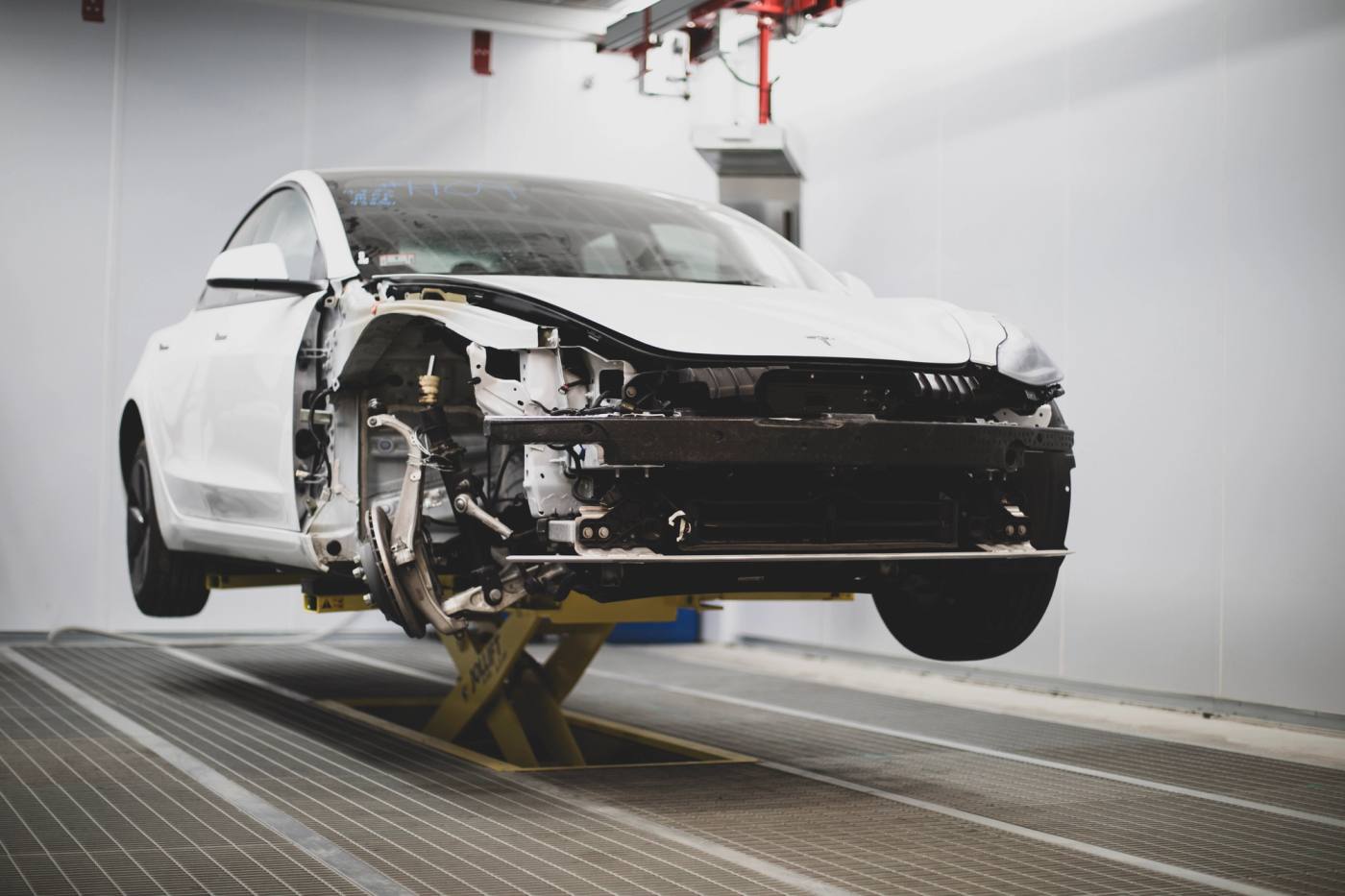
Your estimate went up because the first quote only saw what was visible from the outside. Once we pull the bumper or the fender off, we find the damage the parking-lot look couldn't catch. That added line is called a supplement, and it shows up on almost every collision repair.
So if you got a number on Monday and a bigger number after we opened the car up, nothing went wrong. That's the process working the way it's supposed to.
Why did my repair estimate go up?
Because the first estimate is a guess based on what we can see with the car still bolted together. A good one, but a guess.
Picture a 2021 Honda Accord that got tapped in a parking lot. The bumper cover has a clean crack. From the front it looks like a bumper and maybe a headlight. A few hours of labor, a part, a little paint, and you're back on the road. We write that up because that's the honest read of what's in front of us.
Then we take the bumper cover off. Behind it sits a cracked absorber and a bent reinforcement bar, plus a radiator support that took more of the hit than anyone could tell from the curb. None of that showed. It couldn't have. Steel and plastic hide a lot.
There's a rule behind this, not just the limits of eyesight. In Massachusetts and Rhode Island, an appraiser can only write for damage that's actually visible. Even when everyone in the bay is certain the impact bar behind the bumper is bent, it can't go on the estimate until the car is taken apart far enough to expose it. That's the whole reason the real number lives on the supplement, after teardown, instead of on the first sheet.
The supplement is the line we add to cover what the teardown reveals. It isn't padding, and it isn't a shop trying to run up the bill. (We don't get to invent damage; the insurer's appraiser and our photos have to agree it's real.) It's the difference between the car as it looked and the car as it actually is.
What is a supplement, in plain English?
A supplement is an addition to the original estimate, submitted to your insurer after we find damage the first look missed.
Insurers expect them. The first estimate is the opening number on a claim. The supplement updates it once the facts are in. Your adjuster has seen thousands of these, and on a real collision (not a door ding) a supplement is closer to the rule than the exception.
Here's roughly how it moves, start to finish:
- We write the first estimate from the visible damage, often from the free photo estimate you send us or a quick walk-around in the shop.
- The car comes in and we do a teardown, also called blueprinting. Panels come off. We document everything with photos.
- We submit the supplement to your insurer with those photos and the parts list.
- The adjuster reviews and approves the added work, then we order parts and the real repair starts.
That teardown step is the one most people don't know about, and it's where the price usually moves. We walk through the whole thing, drop-off to pickup, in our collision repair process post if you want the full picture.
Why do insurance estimates come in so low?
Two reasons, and they often stack.
The first is the visible-damage rule. The opening estimate is written off what can be seen, so it comes in light by design until teardown fills in the rest.
The second is less comfortable to say out loud. Some insurers write a thin first estimate hoping you'll just cash the check and skip the repair. If you pocket the money and live with the dent, they're done, and they've paid out less than a real repair would have cost. It's a bet that a certain share of people won't follow through. Taking the check and not fixing the car is your call to make, if that's what you want. Just know the low number on that first sheet usually isn't what it takes to put the car back right, and if you do repair it, the supplement is where the true figure shows up.
Why was another shop's quote so much lower?
Sometimes because they wrote a thinner estimate on purpose, knowing the supplements would come later.
This is the part worth understanding before you pick a shop on price alone. A quote written off a phone photo or a thirty-second glance will always look cheaper than a careful one. It's measuring less. The hidden damage doesn't disappear because nobody wrote it down. It just shows up later, on a bigger bill, after your car is already torn apart and you've got no easy way to walk it back.
We’d rather tell you the uncomfortable number up front and have it hold than hand you a pretty number that triples in week two.
So when you're comparing quotes, you're not really comparing prices. You're comparing how thoroughly each shop looked. The shop that found more isn't the expensive one. It's the one paying attention. There's a longer checklist for sorting good shops from sketchy ones in our guide on how to choose a collision repair shop.
Modern cars make this gap wider. A newer car with sensors behind the bumper, lane-keeping, automatic braking, the whole package, often needs those systems recalibrated after a repair, and that calibration is real work with real cost that a lowball quote tends to leave out entirely.
Will the shop tell me before the price goes up?
Yes, especially if you’re paying out-of-pocket.
You should never find out your bill went up as you’re picking up your completed car. The moment we open something up and find more than the estimate covered, you hear about it. Nothing major gets ordered or repaired until the added work is approved.
Your adjuster handles most of the supplement back-and-forth directly with us, so it rarely lands on your plate as homework. You stay in the loop. You're just not stuck doing the paperwork.
One more thing people get wrong. The choice of shop is yours, in Massachusetts and in Rhode Island both. An insurer can suggest a place, and plenty of them have shops they like to send you to. They can't make you go there. If you'd rather bring your F-150 to us in Fall River or New Bedford than to whoever's on their list, that's your call to make. We cover that in more detail in our piece on your right to choose your repair shop.
The number on a teardown estimate is the truest number you'll get on a collision repair. It's just rarely the first one.
Frequently asked questions
Why did my car repair estimate increase after I dropped it off?
The first estimate only covered damage visible from outside the car. Once technicians removed the damaged panels, they found hidden damage (bent structural parts, cracked brackets) and submitted a supplement to your insurer to cover it.
What is a supplement in auto body repair?
A supplement is an addition to the original repair estimate, submitted to your insurance company after teardown reveals damage that wasn't visible during the first inspection. It documents the real scope of the repair with photos.
Can an insurance appraiser include damage they can't see in the first estimate?
No. In Massachusetts and Rhode Island, an appraiser writes for damage that's visible. Even if it's obvious that something behind the bumper is bent, it can't go on the estimate until the car is taken apart far enough to expose it. That hidden damage is added as a supplement once teardown reveals it.
Does a supplement mean the shop is overcharging me?
No. A supplement has to be backed by photos and approved by your insurer's appraiser before the work happens, so a shop can't simply inflate it. It reflects damage that was always there but couldn't be seen until panels came off.
Why is a low first estimate sometimes a red flag?
A very low quote often means the shop only measured the visible damage, or wrote a thin estimate knowing supplements would follow. The hidden damage still exists, so the final bill usually ends up higher than a thorough estimate would have been from the start.
Do I have to use the repair shop my insurance recommends?
No. In both Massachusetts and Rhode Island, you choose the shop. Your insurer can suggest one, but the decision is yours.
