
Certifications
Carl's Collision Is Tesla Certified: What That Actually Means for Your Car
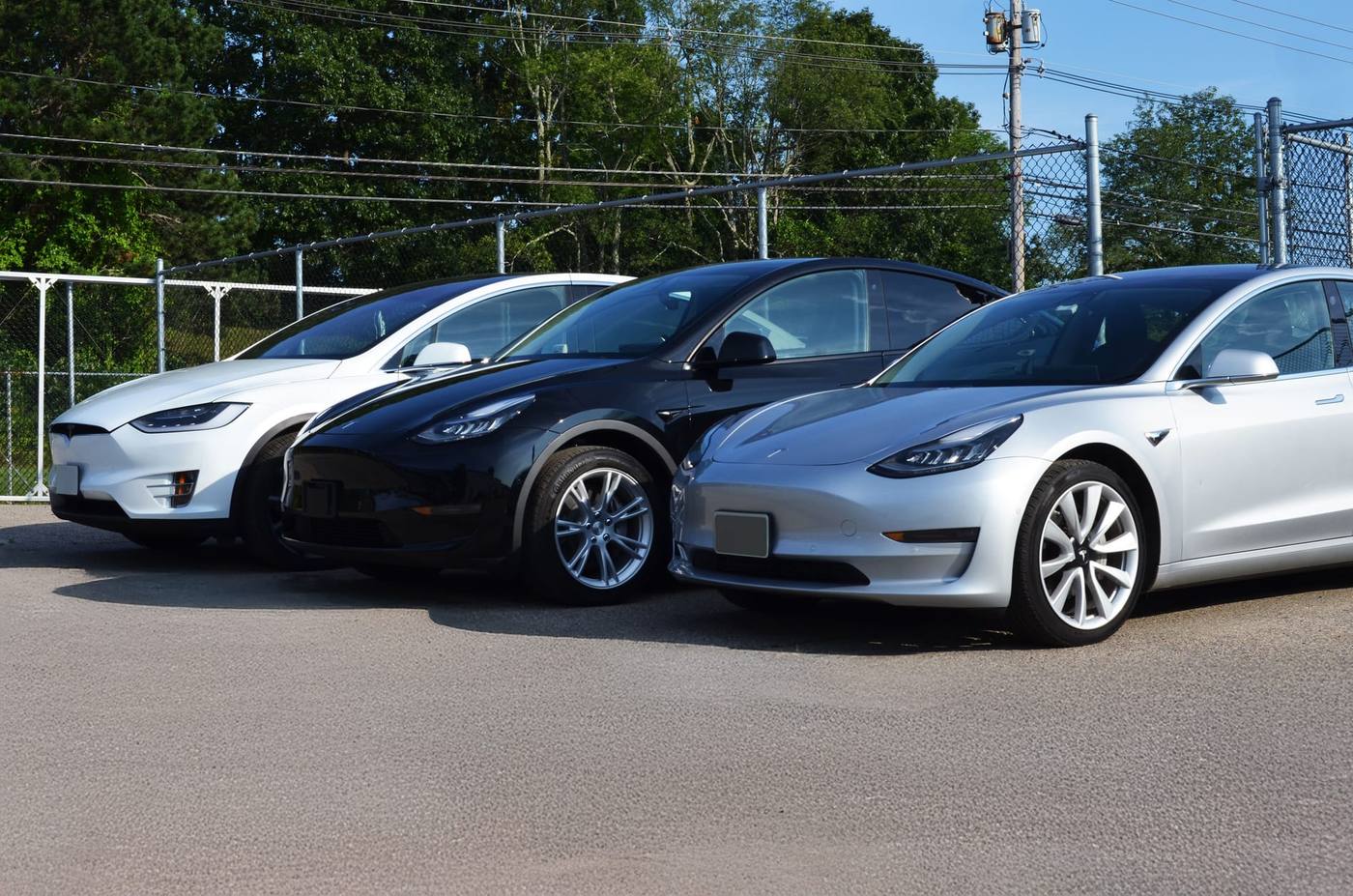
A Tesla doesn't dent the way a Camry dents. That's the part most drivers find out the hard way. You back into a parking pole, hear the crunch, and assume the next call is to whatever body shop your insurance suggests. Then the estimator opens the quarter panel and starts using words like "aluminum substructure" and "high-voltage isolation," and suddenly your repair quote is sitting on someone's desk for three weeks while they figure out who's actually allowed to touch the car.
Carl's Collision Center is Tesla Certified. We're one of a small group of shops in southern New England that Tesla approves to perform structural and cosmetic repairs on its vehicles, and we've held that certification long enough to have repaired a lot of them. This piece is about why that matters, what it cost us to earn it, and what we do differently when a Tesla rolls through our bay door versus the Ford F-150 next to it.
The short version: Tesla doesn't trust most body shops, and they have a point
Tesla maintains its own list of certified collision repair facilities. If your shop isn't on it, Tesla won't sell them the parts, won't share the repair procedures, and won't give them access to the diagnostic software the car needs after the work is done. You can technically get a non-certified shop to attempt the repair. The car may even come back looking fine. But the structural integrity, the battery safety systems, the driver-assist calibration, there's no way for an outside shop to verify any of it the way Tesla intends.
There's a reason Tesla is so selective when they certify a repair facility. It's because Tesla builds cars in a fundamentally different way than the rest of the industry, and the standard collision repair playbook doesn't apply. A Model 3 or Model Y body is mostly aluminum and high-strength steel, joined with rivets, structural adhesives, and specific weld procedures. You can't just heat it up and pull a dent out the way you would on a steel-bodied sedan from the 90s. Aluminum behaves differently under heat. It work-hardens in places steel doesn't. If you cross-contaminate aluminum repair work with steel grinding dust on the same bench, you get galvanic corrosion months later, and the customer has no idea why their fender is bubbling.
Then there's the battery pack, which sits under the floor and runs at around 400 volts. Improper handling during a structural repair isn't a "warranty problem." It's a fire risk. Tesla wants the people working on these cars to know exactly which steps require de-energizing the pack and exactly which lifting points won't crush a battery cell.
So they built a certification program. To get in, a shop has to invest serious money in the right equipment, send technicians through Tesla's training, pass facility inspections, and commit to using Tesla-supplied parts and procedures on every repair. Then Tesla audits you to make sure you're still doing it right.
What the certification actually required of us
This is the part most blog posts skip over with a sentence like "we underwent rigorous training." The reality is more concrete and, honestly, more interesting.
The equipment list alone runs into the high six figures. Aluminum work has to be done in a physically separated area with its own dedicated tools, dust extraction, welders, and even rivet guns that have never touched steel. We had to build that out. We invested in a Celette bench system capable of holding a Tesla chassis at the exact reference points Tesla specifies for structural pulls. We added the specific spot welders and self-piercing rivet guns Tesla calls for, because their procedures specify which bond goes where and what tool makes it. We added scan tools licensed to read and reset Tesla's diagnostic systems.
Then the people. Our techs went through Tesla's I-CAR-aligned training tracks plus Tesla-specific coursework, and they re-certify on a schedule. Tesla pushes procedure updates regularly, and a shop that doesn't keep up loses the certification. Our paint team has to color-match Tesla's factory finishes, which sounds obvious but matters more than you'd think. Tesla paint codes shifted notably during the Model 3's production run, and getting an exact match on a 2019 versus a 2023 takes the right software, the right gun, and someone who has done it enough times to trust their eyes.
The facility inspection covers everything from how we store high-voltage components to whether our tech notes show that we're actually following Tesla's repair procedure for the specific VIN, not just freelancing. They check.
We did all of this because the alternative was watching every Tesla in the area get towed past us to a certified shop an hour away, while our customers wondered why we couldn't help them.
What changes when a Tesla comes in
Here's what a Tesla repair at Carl's actually looks like, compared to a standard insurance job.
First, we pull the repair procedure from Tesla's system using the VIN. Tesla writes a procedure for every repair on every model. It tells us which panels are bonded versus welded, which fasteners are one-time-use, which sensors need calibration after reinstallation. We follow that procedure. We don't decide on our own that a slightly different method will get the same result.
Second comes the process of ordering parts. Every part on a structural Tesla repair comes from Tesla. Not aftermarket, not a salvage panel that "looks the same." Tesla controls part allocation to certified shops, which sometimes means we wait a few days longer for a hood than we would on a Honda. The trade-off is that the part fits the way the engineering specifies, and the car's safety systems behave the way they're supposed to behave in the next collision.
Third, calibration. Modern Teslas have eight or more cameras, a radar, ultrasonic sensors on some trims, and a sensor suite that powers Autopilot. Move any of those even a few millimeters and the system needs a recalibration before it can be trusted again. We do that recalibration in-house, with the targets and software Tesla specifies, and we document it. A shop without certification often sublets this step out, which adds days and introduces handoff errors.
Fourth, we don't void the warranty. A repair done outside Tesla's certified network can give Tesla grounds to deny coverage on related future failures. A repair done inside the network keeps everything intact.
What this means if you own a Tesla in southern New England
If you're driving a Model 3, Y, S, or X anywhere from Providence down through Bristol County and out to the Cape, the math is straightforward. Most owners around here don't want to flatbed a drivable car ninety minutes away for a quote, especially when their insurance assumes they'll go local. We're local. We work directly with Tesla on parts and procedures, and we work directly with every major insurance carrier on the claim side.
Most Tesla owners who come through Carl's are surprised to find out we'll handle the entire process (the estimate, the rental coordination, the insurance back-and-forth, the parts, the calibration, the final QC) without them ever needing to talk to Tesla themselves. That's the whole point of certification, from the customer's perspective. You drop the car off, you pick it up repaired correctly, and the network behind that work is invisible to you.
One more thing worth saying: the Tesla certification rubs off on everything else we do. The discipline of following a documented OEM procedure, scanning before and after every repair, calibrating sensors as a default rather than an upsell. That became how we work on every car, not just the Teslas. The Subaru with eyesight cameras gets the same treatment. So does the Honda with Honda Sensing. Tesla forced the industry to take ADAS seriously, and shops that earned the certification got pulled along with it.
If your Tesla needs work
Bring it in for an estimate. Or call us first and we can talk you through what to expect, what your insurance is likely to cover, and how long parts are running on your specific model. We've seen most of what can happen to these cars, and we'd rather have a five-minute phone conversation up front than have you guessing.
Carl's Collision Center. Three locations. One certification that took us years to earn and changes how we work every day.
